Compare braided options for all-around performance
Transparent Fishing Line: Inconspicuous Solutions for Productive Fishing
Clear fishing line has turned into a essential instrument for many fishermen seeking to improve their results on the water. Its ability to merge with various environments minimizes visibility, allowing for a increasingly natural presentation of bait. This subtle benefit can greatly affect catch rates. However, the choice and maintenance of the right line require thorough thought. Grasping these details may be the solution to transforming a angler's experience on the water. What factors should be prioritized?
The Benefits of Utilizing Transparent Fishing Line
When fishermen prefer transparent fishing line, they frequently gain benefits from its ability to stay hidden by fish. This quality enhances the chances of landing a successful catch, since fish are less prone to be alarmed by visible lines. Transparent lines harmonize with diverse water environments, whether clear or murky, boosting the angler's concealment. Moreover, utilizing transparent fishing line can result in superior presentation of bait, allowing it to seem more natural to fish.
In addition, these lines are typically created from durable materials that resist damage, ensuring they can tolerate turbulent submerged conditions. Their subtle visibility also aids in better targeting accuracy, as sport fishermen can focus on technique without being troubled by the line's detectability. Overall, the merits of translucent fishing line make it a prized preference for those desiring a more effective and discreet fishing pursuit.
Choosing the Ideal Transparent Fishing Line: A Guide
How might an angler confirm they select the ideal transparent fishing line? First, they should consider the line's makeup—monofilament, fluorocarbon, or braid—each offering singular benefits. Monofilament supplies resilience and ease of use, while fluorocarbon displays low visibility and abrasion resistance. Braid, while not clear, grants superior robustness and sensitivity.
An angler must next evaluate the line's test strength, which should correspond to the species being pursued. A greater test strength is vital for bigger fish, while lighter lines are suitable for lesser species. Additionally, the fishing environment matters significantly; transparent water may necessitate thinner lines for subtlety, while challenging conditions may call for stronger, more durable alternatives.
Finally, an fisherman should evaluate the line's diameter, knot strength, and overall flexibility. By considering these elements, anglers can confidently choose the clear fishing line most appropriate for their specific fishing conditions and techniques.
Best practices for Appropriately Spooling and Upkeeping Your Line
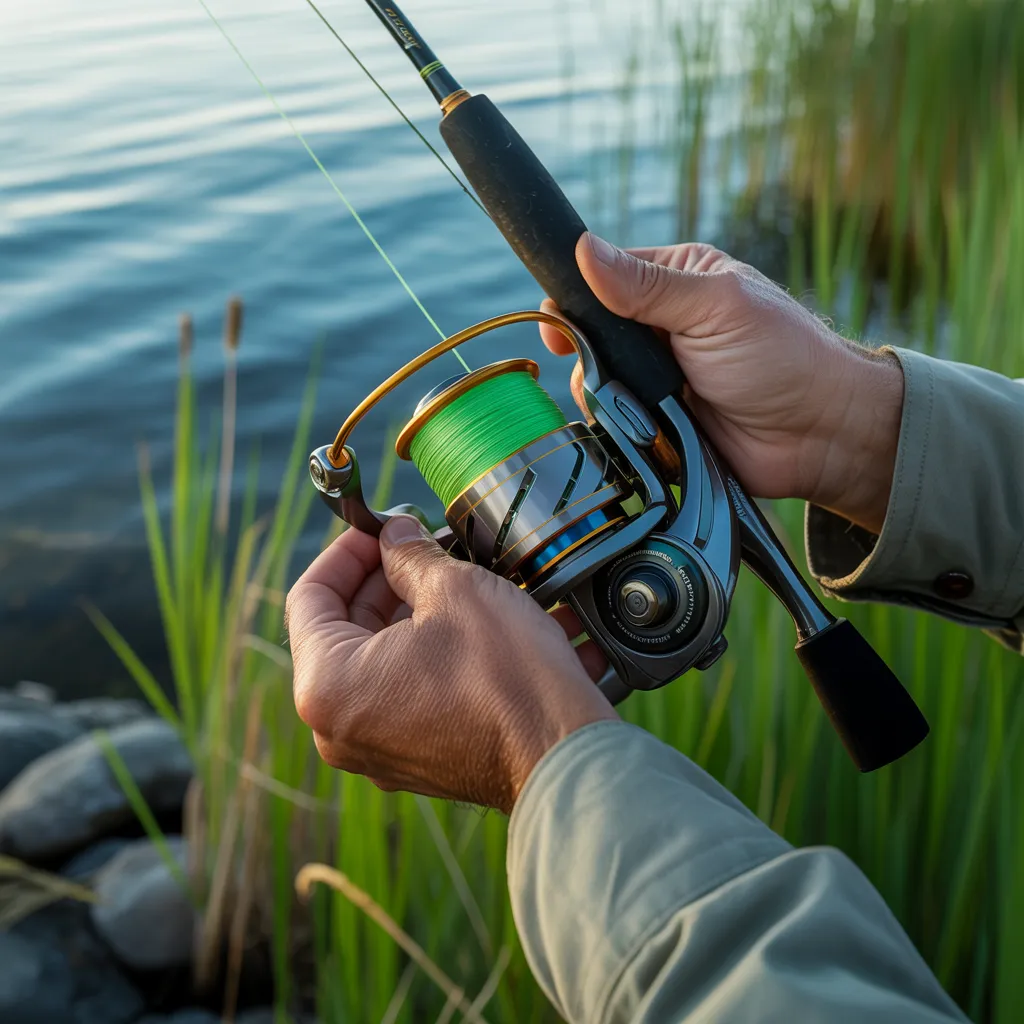
The correct loading and maintenance of transparent fishing line is essential for maximizing optimal performance and longevity. Anglers should start by verifying their reel is clean and clear of debris before spooling. It’s important to wind the line onto the reel in the proper direction, matching the reel’s rotation to prevent twists. Maintaining consistent tension while spooling avoids loose coils, which can result in tangles during use.
Regularly copyrightining for abrasions or frays is essential for line strength. After each fishing trip, rinsing the line with clean water can help eliminate salt or dirt, preserving its condition. Additionally, storing the line in a cool, dry place away from direct sunlight will prevent deterioration. Changing the line regularly, especially after heavy use, ensures peak performance and lowers the chance of failure. By adhering to these recommendations, anglers can improve their fishing experiences and prolong the lifespan of their transparent fishing line.
Monofilament versus Fluorocarbon Angling Lines
When assessing monofilament and fluorocarbon fishing lines, two important factors emerge: strength and durability, with visibility and camouflage effects. Monofilament delivers more stretch and resilience, while fluorocarbon gives superior underwater invisibility and abrasion resistance. Understanding these distinctions assists anglers choose the correct line for their angling situations.
Strength And Durability Comparison
Assessing the robustness and endurance of monofilament and fluorocarbon fishing lines uncovers distinct advantages for each variety. Monofilament lines are noted for their elasticity, providing excellent shock absorption during catches. This feature enhances their performance in different fishing conditions but may increase their likelihood to abrasion. On the other hand, fluorocarbon lines are generally more rigid and resistant to wear, making them appropriate for environments with sharp rocks or debris. They offer superior knot strength and have lower stretch, allowing for faster hook sets. While monofilament lines tend to cost less, fluorocarbon's resilience and invisibility underwater often justify the extra expense. Ultimately, selecting between the two depends on particular fishing scenarios and personal preferences.
Visibility and Camouflage Influences
The visibility and camouflage effects of monofilament and fluorocarbon fishing line greatly influence angler success. Monofilament, typically colored and more visible in water, can discourage wary fish. Its buoyancy often makes it easier for anglers to sense bites but may compromise stealth. In contrast, fluorocarbon lines are almost invisible in water due to their refractive index matching closely that of water. This trait improves concealment, making fluorocarbon view now a preferred choice in clear waters or when targeting skittish species. However, the compromise lies in its stiffness, which can impact bait presentation. Ultimately, anglers must take into account these visibility considerations to select the appropriate line for specific fishing conditions, enhancing their chances of a successful catch.
Enhancing Accomplishment By Utilizing Transparent Fishing Line
Deploying transparent fishing line can greatly enhance the fisherman's accomplishment on the water. This type of line affords a distinct superiority by minimizing the conspicuousness of the line to fish, allowing for more genuine exhibits of baits and lures. Anglers can leverage this feature to hunt skittish species that are inclined to evade brightly colored lines.
Furthermore, see-through fishing line works well in multiple water types, mixing naturally with both clear and murky environments. By implementing quiet tactics, anglers can boost their success of luring fish without spooking them.
Furthermore, the line's strength and durability advance a successful fishing experience, enabling anglers to resist the hurdles of heavy cover and tough species. Overall, employing transparent fishing line allows for a more stealthy approach, ultimately leading to higher catch rates and greater satisfaction during fishing outings.
Common Blunders When Using Transparent Fishing Line
Many fishermen miss essential details during the application of transparent fishing line, leading to reduced effectiveness on the water. A frequent error involves picking an incorrect line strength for specific fishing situations, resulting in breaking or insufficient sensitivity. Furthermore, not modifying the drag settings can result in lost catches, since anglers might not correctly factor in the line's limited visibility.
One common error is omitting to inspect for line knots and twists, which can affect both appearance and functionality. Anglers often downplay the significance of correct knot tying; weak knots can unravel easily under pressure.
In addition, employing excessively long leaders can hinder casting precision and affect the lure's action. Finally, various anglers neglect natural conditions, such as water visibility and brightness levels, which can profoundly influence the line's efficiency. By evading these difficulties, anglers can enhance their fishing ventures and increase their success proportions.
True Accomplishment Reports From Fishing Enthusiasts Using Clear Line
Abundant success accounts are found among fishermen who have effectively capitalized on the advantages of transparent fishing line. One fisherman, John, reported notably improved catch rates after switching to a high-quality transparent line. He stated that the line's invisibility enabled him to fish in heavily pressured waters where discreteness was essential.
Similarly, Sarah, a competitive angler, shared her experience of using transparent line during a tournament. She attributed her win to the invisible nature of the line, which helped her catch multiple trophy fish that others struggled to catch.
In yet another case, Mike, an avid fly fisherman, found that using transparent line enhanced his presentations, resulting in more natural movements of his flies. Each of these anglers showed that transparent fishing line can boost fishing success by minimizing visibility and increasing stealth, ultimately bringing about more rewarding fishing experiences.
Popular Questions Requested
Can Transparent Fishing Line Be Utilized for Saltwater Fishing?
Transparent monofilament can indeed be utilized for saltwater angling. Its minimal visibility aids in preventing detection by fish, making it a appropriate choice. However, fishermen should verify it has adequate durability and resilience for saltwater environments.
What Length of Time Does Transparent Fishing Line Usually Last?
Transparent fishing line typically remains serviceable between one to three years, contingent upon conditions including exposure to sunlight, water quality, and usage frequency. Regular monitoring and correct storage can extend its lifespan greatly.
Does transparent angling line work for all type of fish?
Transparent fishing line is typically appropriate for multiple fish species due to its low visibility. Nevertheless, specific conditions and fish species may demand varied line properties, making it crucial to select correctly for targeted species.
What Is the Best Tie for Clear Fishing Line?
For transparent fishing line, the Palomar knot is the finest selection, celebrated for its reliability and strength. It offers a strong attachment, limiting the risk of line breakage while maintaining the line's subtle visibility during fishing.
Do Clear Fishing Lines Require Particular Storage Conditions?
Transparent fishing line requires chilly, dry storage away from direct sunlight to prevent breakdown. Maintaining it in a protective container helps sustain its integrity and performance, delivering superior performance throughout fishing and extending its lifespan.